Tag: ERP solutions

  • manufacturing ERP system solutions for industry growth

    Exploring manufacturing ERP system solutions reveals their pivotal role in the evolution and efficiency of industries today. By integrating various business processes into a cohesive framework, these systems empower manufacturers to streamline operations, enhance productivity, and adapt swiftly to market changes. With the advent of advanced technology, the significance of ERP systems has only grown, making them indispensable for achieving operational excellence.

    From automotive to consumer goods, numerous industries have harnessed the power of ERP solutions, witnessing remarkable improvements in their workflow and output. These systems facilitate better resource management, real-time data analysis, and streamlined communication, ultimately leading to superior decision-making and increased profitability. As we delve deeper, we will uncover the essential features, implementation strategies, challenges, and future trends that define the landscape of manufacturing ERP systems.

    The Importance of Manufacturing ERP System Solutions for Industry Growth

    In today’s fast-paced manufacturing environment, the implementation of Enterprise Resource Planning (ERP) systems has become a critical factor for industry growth and sustainability. Manufacturing ERP solutions streamline operations by integrating various functions like supply chain management, inventory control, production planning, and finance into a cohesive system. This integration not only enhances visibility across the organization but also enables better decision-making through real-time data analysis, ultimately propelling industries toward growth and competitiveness.The significance of manufacturing ERP systems lies in their ability to improve operational efficiency and productivity.

    These systems automate repetitive tasks, thus minimizing human error and freeing up staff to focus on value-added activities. For instance, accurate inventory management ensures that materials are available when needed, reducing downtime and enabling smoother production flows. Furthermore, ERP systems provide managers with comprehensive dashboards that can track key performance indicators (KPIs), making it easier to identify bottlenecks and optimize processes.

    Successful Industry Implementation of ERP Systems

    Several industries have reaped substantial benefits from implementing ERP systems, showcasing their transformative impact on organizational performance. Below are a few examples illustrating how various sectors have leveraged ERP solutions to bolster efficiency and growth:

    • Automotive Industry: Major automotive manufacturers, such as Toyota, have adopted ERP systems to enhance supply chain collaboration. By synchronizing production schedules with supplier capabilities, they have reduced lead times and improved inventory turnover, ultimately leading to increased customer satisfaction.
    • Consumer Goods: Companies like Procter & Gamble utilize ERP systems to manage their complex global supply chains. This integration allows them to forecast demand more accurately, minimize excess inventory, and respond swiftly to market changes, driving profitability.
    • Aerospace: Boeing employs ERP solutions to manage intricate production processes and compliance requirements. This approach enhances traceability, improves quality control, and has significantly reduced the time required for production cycles.

    The implementation of ERP systems transforms how manufacturing companies operate, making them more agile and responsive to market demands. As industries continue to face challenges such as rising costs, shifting consumer preferences, and increased competition, the necessity for robust ERP solutions becomes increasingly clear. With these systems, organizations not only streamline their operations but also position themselves for sustained growth and innovation.

    Key Features of Effective Manufacturing ERP System Solutions

    Effective manufacturing ERP (Enterprise Resource Planning) system solutions are designed to address the complex needs of manufacturing organizations. These systems streamline operations, enhance productivity, and support decision-making through real-time data insights. By integrating various business processes, an effective ERP solution can transform how manufacturers operate, driving efficiency and competitiveness in the industry.The essential features of an effective manufacturing ERP system encompass a wide range of functionalities that directly address common manufacturing challenges.

    These challenges include inventory management, production planning, quality control, and compliance with industry standards. An effective ERP system simplifies these processes, allowing manufacturers to operate smoothly and adapt to changes quickly.

    Essential Features Addressing Manufacturing Challenges

    Manufacturers face various challenges, from managing resources effectively to ensuring product quality. The following features of an ERP system are pivotal in overcoming these challenges:

    • Inventory Management: Advanced inventory management capabilities help manufacturers keep track of raw materials, work-in-progress, and finished goods. By providing real-time visibility into inventory levels, manufacturers can minimize excess stock and avoid production delays.
    • Production Scheduling: Efficient production scheduling tools enable manufacturers to optimize their production lines, allocate resources effectively, and respond swiftly to changes in demand. These tools help in minimizing downtime and maximizing output.
    • Quality Control: Integrated quality control features allow for continuous monitoring of production processes and product quality. This ensures compliance with industry standards and reduces the risk of defects, ultimately enhancing customer satisfaction.
    • Reporting and Analytics: Robust reporting and analytics features provide manufacturers with insights into operational performance, financial health, and market trends. This data-driven approach facilitates informed decision-making and strategic planning.

    Alongside these essential features, advanced functionalities significantly enhance manufacturing processes. These functionalities not only streamline operations but also enable manufacturers to innovate and stay competitive.

    Advanced Functionalities Enhancing Manufacturing Processes

    In addition to the core features, the following advanced functionalities can greatly enhance the performance of manufacturing ERP systems:

    • Internet of Things (IoT) Integration: IoT integration allows manufacturers to connect their machines and devices to the ERP system, enabling real-time data collection and monitoring. This connectivity supports predictive maintenance, reducing downtime and prolonging equipment life.
    • Supply Chain Management: Advanced supply chain management tools within the ERP system facilitate better collaboration with suppliers and customers. They provide visibility into the entire supply chain, enabling manufacturers to optimize logistics and improve procurement strategies.
    • Product Lifecycle Management (PLM): PLM functionalities enable manufacturers to manage the entire lifecycle of a product, from inception through design, manufacturing, and disposal. This holistic approach helps in reducing time-to-market and ensuring product quality throughout its lifecycle.

    The Implementation Process of Manufacturing ERP System Solutions

    Jual Lembar Belajar Aktivitas Anak Usia Dini Belajar Mencocokkan PAUD ...

    Implementing a manufacturing ERP (Enterprise Resource Planning) system is a significant decision for any organization. It can streamline operations, enhance productivity, and provide valuable insights. The implementation process requires careful planning and execution to ensure that the system aligns with business objectives and integrates seamlessly across departments. The process of implementing an ERP solution typically unfolds in several stages, each crucial to the overall success of the project.

    Each stage is designed to build upon the previous one, ensuring a comprehensive approach to system integration.

    Step-by-Step Implementation Process

    The implementation of a manufacturing ERP system involves a series of structured steps. Understanding these steps can facilitate better planning and execution:

    1. Pre-Implementation Planning

    This initial phase focuses on identifying the specific needs of the organization and establishing a clear vision for the ERP system. It involves gathering input from various stakeholders to ensure that all requirements are addressed.

    2. Choosing the Right ERP Solution

    After determining the organization’s needs, the next step is selecting the appropriate ERP software. This could involve evaluating different vendors, considering factors such as scalability, functionality, and cost.

    3. Project Team Formation

    Composing a dedicated project team is essential. This team usually consists of members from various departments, including IT, finance, production, and operations, ensuring diverse perspectives and expertise.

    4. System Design and Configuration

    In this phase, the chosen ERP system is designed to meet the specific needs of the organization. This might involve customizing software features, setting up workflows, and configuring user roles to align with business processes.

    5. Data Migration

    Migration of existing data into the new ERP system is a critical step. It’s essential to ensure data integrity and accuracy during this transfer. This may involve cleaning and validating data to avoid issues later.

    6. Testing

    Rigorous testing is vital to identify any potential issues before going live. This can include functional testing, user acceptance testing (UAT), and performance testing to ensure the system operates as expected.

    7. Training

    A comprehensive training program is crucial for user adoption. Employees should be well-versed in the new system’s functionalities to maximize its potential and reduce resistance to change.

    8. Go-Live

    This is the moment when the new ERP system becomes operational. It requires careful monitoring to address any immediate issues that may arise, ensuring a smooth transition from the old system.

    9. Post-Implementation Support and Optimization

    After going live, continuous support and system optimization are vital. This might involve ongoing training, troubleshooting, and potentially further customization based on user feedback.The significance of each stage cannot be overstated. Proper planning and execution at each level minimize disruption and ensure that the ERP system delivers the intended benefits.

    Comparison of Implementation Methodologies

    Understanding various implementation methodologies can help organizations choose the best approach for their needs. Below is a comparison table of popular methodologies:

    Methodology Description Advantages
    Waterfall A linear and sequential approach where each phase must be completed before the next begins.
    • Clear structure and timeline
    • Easy to manage due to its straightforward nature
    Agile An iterative approach that allows for flexibility and changes during the development process.
    • Adaptable to changes in requirements
    • Frequent reassessments lead to a better end product
    Hybrid A combination of Waterfall and Agile methodologies, balancing structure and flexibility.
    • Combines strengths of both methodologies
    • Allows for adaptability without losing structure

    Each methodology brings its own set of advantages, and selecting the right one depends on the organization’s specific requirements and culture. Adopting the appropriate approach can significantly impact the effectiveness of the ERP implementation process.

    Challenges Faced During ERP Implementation in Manufacturing

    Jual Worksheet Anak Paud - Tk tema mencocokkan gambar | Shopee Indonesia

    Implementing ERP systems in manufacturing can be a complex process, often fraught with various challenges that can hinder the success of the project. Organizations may encounter issues ranging from lack of user engagement to integration difficulties, which can lead to delays and increased costs. Understanding these challenges and preparing to tackle them is crucial for a smooth transition into an ERP system.One of the primary challenges faced is resistance to change from employees who are accustomed to existing processes.

    This reluctance can lead to decreased productivity and morale. Another significant issue is data migration; transferring existing data to the new ERP system often uncovers discrepancies and may require extensive cleaning and validation, which can be resource-intensive. Additionally, the integration of the ERP system with other existing software solutions can pose significant technical challenges, as compatibility issues may arise. There’s also the risk of not fully understanding the specific needs of the manufacturing processes, leading to an ERP system that does not align with the organization’s operational requirements.

    Strategies to Overcome Implementation Challenges

    Addressing these challenges requires a proactive approach and strategic planning. Organizations should invest in change management initiatives to help employees understand the benefits of the new system, fostering a culture of acceptance. Communication is key; ensuring that all stakeholders are informed and engaged throughout the implementation process can significantly lessen resistance. To tackle data migration issues, organizations should conduct thorough data audits prior to migration to identify and rectify discrepancies.

    Engaging IT professionals with experience in ERP systems can also facilitate smoother integration and address any compatibility concerns. It’s essential to perform a detailed needs assessment to ensure that the chosen ERP system aligns with the specific requirements of manufacturing processes, allowing for customization where necessary.

    “Proper planning and communication can transform resistance into enthusiasm.”

    Case Studies of ERP Implementation Challenges

    Several organizations have faced challenges during their ERP implementations, but their experiences provide valuable lessons. For example, a major automotive manufacturer struggled with employee resistance and lack of engagement during their ERP rollout. To address this, they implemented a comprehensive training program that involved hands-on workshops and ongoing support, which ultimately improved user adoption and system utilization.Another example involves a large electronics manufacturer that encountered significant data migration issues leading to delays.

    They partnered with a specialized data management firm that helped them clean and validate their data ahead of the migration, ensuring a smooth transition into the new ERP system. This collaboration not only expedited the implementation process but also led to better data integrity moving forward.These real-world examples highlight the importance of preparation, communication, and strategic partnerships in overcoming the challenges associated with ERP implementation in manufacturing.

    The Role of Data Analytics in Manufacturing ERP Solutions

    In today’s competitive manufacturing landscape, data analytics plays a crucial role in enhancing the effectiveness of ERP systems. By leveraging the vast amounts of data generated in manufacturing processes, organizations can gain valuable insights that lead to smarter decision-making, optimized operations, and improved overall performance. Data analytics facilitates the transformation of raw data into actionable intelligence, enabling manufacturers to be proactive rather than reactive in their strategies.One of the key advantages of integrating data analytics into manufacturing ERP systems is the capacity for real-time data processing.

    Real-time data allows manufacturers to monitor their operations continuously, providing instant access to critical metrics and KPIs. This immediacy is invaluable when it comes to making informed decisions. For example, if a production line experiences an unexpected slowdown, real-time data can alert managers to investigate the cause immediately, preventing further delays and potential losses. With timely access to data, manufacturers can adjust their strategies on the fly, respond to market demand fluctuations, and ensure optimal resource allocation.To harness the power of data analytics effectively, manufacturing ERP solutions include various integrated tools designed to analyze and visualize data.

    These tools enhance the decision-making process by providing clear insights into performance trends, resource utilization, and potential areas for improvement. Some of the notable tools within ERP systems that leverage data analytics include:

    • Business Intelligence Dashboards: These visual representations of data aggregate key metrics and allow users to understand trends quickly. Dashboards can be customized to display real-time performance indicators relevant to specific manufacturing processes.
    • Predictive Analytics: This tool utilizes historical data to forecast future trends, enabling manufacturers to anticipate demand and optimize inventory levels accordingly. By predicting equipment failures or maintenance needs, organizations can minimize downtime and enhance operational efficiency.
    • Reporting Tools: Comprehensive reporting tools provide detailed insights into various aspects of manufacturing operations, including production efficiency, quality control, and inventory management. This facilitates an in-depth analysis of areas needing improvement.
    • Data Mining Techniques: These techniques extract patterns and correlations from large datasets, helping manufacturers identify root causes of issues and areas for cost reduction.

    “Data-driven decision-making helps manufacturers stay agile and competitive in an ever-evolving market landscape.”

    By employing these tools, manufacturers can not only track performance but also uncover hidden opportunities for innovation and growth. Ultimately, data analytics enhances the overall effectiveness of manufacturing ERP systems, ensuring that organizations can perform at their peak while meeting the demands of the market.

    Future Trends in Manufacturing ERP System Solutions

    The landscape of manufacturing ERP systems is rapidly evolving, driven by technological advancements and changing market demands. As manufacturers strive for greater efficiency, flexibility, and resilience, new trends are emerging that will significantly shape the future of ERP solutions. Understanding these trends is essential for organizations to remain competitive and innovative in an increasingly digital world.One of the most transformative advancements in ERP systems is the integration of Artificial Intelligence (AI) and the Internet of Things (IoT).

    These technologies are not just buzzwords; they are fundamentally changing how ERP systems operate and deliver value to manufacturers. AI algorithms enhance decision-making processes by analyzing vast amounts of data, identifying patterns, and providing actionable insights in real time. IoT devices enable the collection of data from manufacturing equipment, allowing for predictive maintenance, improved quality control, and enhanced supply chain visibility.

    Impact of AI and IoT on ERP Solutions

    The convergence of AI and IoT technologies with ERP systems is paving the way for smarter manufacturing operations. Here are some key benefits and trends arising from this integration:

    • Predictive Analytics: AI-powered analytics can forecast demand fluctuations and identify potential disruptions, allowing manufacturers to adjust production schedules proactively.
    • Real-time Data Access: IoT devices provide continuous data streams from machinery, allowing for immediate insights into operational performance and inventory levels.
    • Enhanced Automation: AI-driven automation streamlines repetitive tasks, reducing human error and freeing up staff to focus on more strategic initiatives.
    • Supply Chain Optimization: Integrating IoT data into ERP systems offers enhanced visibility across the supply chain, enabling manufacturers to respond swiftly to changes and improve collaboration with suppliers.
    • Customization and Personalization: Advanced ERP solutions are capable of analyzing customer data to offer personalized services and products, thereby improving customer satisfaction.

    Innovative ERP solutions are currently being developed to harness these technologies effectively. For instance, companies like SAP and Oracle are incorporating machine learning capabilities into their ERP offerings, enabling users to automate routine decision-making processes. Another example is Microsoft Dynamics 365, which integrates IoT insights to provide manufacturers with a comprehensive view of their operations and supply chains. Additionally, emerging startups are focusing on niche ERP solutions that cater specifically to the unique needs of small and medium-sized manufacturers, emphasizing flexibility and ease of use.

    “The future of manufacturing ERP systems lies in the seamless integration of AI and IoT, creating a more intelligent and responsive manufacturing ecosystem.”

    As these trends continue to develop, manufacturers must remain vigilant in adopting innovative ERP solutions that align with their strategic goals. By embracing the potential of AI and IoT, organizations can transform their operations, drive efficiency, and position themselves for long-term success in an ever-evolving landscape.

    Customization vs. Standardization in Manufacturing ERP Systems

    Mencocokkan Gambar (Lembar Kerja Anak TK/PAUD) - PDF Download

    In the realm of manufacturing, Enterprise Resource Planning (ERP) systems play a crucial role in streamlining operations, enhancing efficiency, and improving data visibility. When it comes to implementing an ERP solution, manufacturers often face a key decision: should they customize the system to fit their unique processes, or adopt a standardized solution that offers best practices? Each approach has its own set of benefits and drawbacks that can significantly impact business outcomes.Customization of ERP systems allows manufacturers to tailor features and functionalities to meet their specific needs.

    This can lead to improved alignment with business processes and better user satisfaction. For instance, a manufacturer specializing in custom machinery may require unique workflows that a standardized solution cannot adequately address. However, customization comes with challenges, including higher development costs, longer implementation times, and potential difficulties in future upgrades or maintenance. Moreover, over-customization can lead to a complex system that is hard to manage, increasing reliance on specialized IT support.On the other hand, standardized ERP solutions offer pre-packaged functionalities that are designed based on industry best practices.

    This approach can lead to quicker implementation times and reduced costs, as many of the features are already built-in and tested. Standardized solutions also benefit from regular updates and community support, ensuring that manufacturers stay compliant with evolving regulations and technological advancements. However, these solutions may not always cater to specific business requirements, which could lead to inefficient processes or workarounds that diminish productivity.

    For example, a manufacturer with unique compliance requirements might find a standardized ERP lacking in necessary features.In a manufacturing context, the choice between customization and standardization can depend on various factors, including company size, industry specifics, and the complexity of operations. Larger organizations with unique processes may lean towards customization for a competitive edge, while smaller manufacturers might prioritize the cost-effectiveness and speed of standardized solutions.

    Key factors to consider when deciding between customization and standardization include:

    Factors Customization Standardization
    Cost Higher initial investment due to development and maintenance Lower costs with ready-to-use solutions
    Implementation Time Longer implementation due to custom development Quicker deployment with pre-packaged solutions
    Flexibility Highly flexible to meet specific needs Less flexible, may require workarounds
    Scalability Can be tailored to scale but may require additional development Designed to scale easily with business growth
    Support and Upgrades Requires dedicated IT support for custom features Easier access to updates and community support

    When evaluating these options, manufacturers should assess their operational needs, budget, and long-term goals to choose the best path forward. The decision should ultimately align with their strategic business objectives and capacity to manage the chosen system effectively.

    The Impact of Cloud Technology on Manufacturing ERP Solutions

    The integration of cloud technology in manufacturing ERP solutions marks a pivotal shift in how businesses manage their resources, data, and operations. Cloud-based systems provide unparalleled flexibility, scalability, and cost-effectiveness, which have transformed the landscape of enterprise resource planning. This evolution enables manufacturers to streamline processes, enhance collaboration, and leverage real-time data insights for improved decision-making.Cloud technology has fundamentally altered the way manufacturing ERP systems operate.

    Traditional on-premise solutions often require substantial investment in hardware and IT infrastructure, which can lead to prolonged deployment times and ongoing maintenance costs. In contrast, cloud-based ERP systems offer a more agile alternative, allowing manufacturers to access their systems from anywhere with an internet connection. This mobility fosters improved communication among teams and partners, facilitating quicker responses to market demands and changes.

    Advantages of Cloud-Based ERP Systems

    The transition to cloud-based ERP systems comes with several key advantages over traditional on-premise solutions:

    1. Cost Efficiency

    Cloud ERP systems eliminate the need for extensive hardware investments and reduce IT maintenance costs. With a subscription-based pricing model, companies can allocate resources more effectively and budget for expenses without unexpected costs.

    2. Scalability

    As businesses grow or evolve, cloud ERP solutions can be easily scaled up or down to accommodate changing needs. This flexibility allows manufacturers to add or remove modules and users without significant disruption.

    3. Automatic Updates

    Cloud providers typically offer automatic updates, ensuring that businesses always have access to the latest features and security enhancements without the need for manual upgrades.

    4. Improved Collaboration

    With cloud-based systems, remote teams can access shared data and tools in real time, enhancing collaboration and supporting agile workflows.

    5. Data Security and Backup

    Leading cloud ERP providers implement rigorous security measures and regular data backups, which can be more comprehensive than many in-house systems.Despite these advantages, security remains a major concern for manufacturers considering cloud ERP implementations.

    Security Concerns with Cloud ERP Implementations

    While cloud technologies offer enhanced security features, manufacturers must consider potential vulnerabilities unique to cloud environments. Key security concerns include:

    Data Breaches

    The risk of unauthorized access to sensitive data can increase in cloud environments, necessitating strong encryption and authentication measures.

    Compliance Risks

    Manufacturers may face challenges in complying with industry regulations when data is stored off-site. Understanding data sovereignty laws and compliance requirements is crucial.

    Service Outages

    Dependence on internet connectivity can expose businesses to risks from outages or disruptions caused by service provider issues.

    Vendor Lock-In

    Transitioning data from one cloud provider to another can be complex and time-consuming, making companies wary of becoming overly reliant on a single vendor.By understanding these concerns and implementing robust security strategies, manufacturers can effectively leverage cloud technology in their ERP systems while safeguarding their critical data and operations.

  • Best ERP solutions for manufacturing made simple

    Best ERP solutions for manufacturing are reshaping the landscape of production efficiency and operational excellence. As manufacturers face the ever-evolving challenges of supply chain management and production optimization, the right ERP system can be a game changer. These solutions streamline processes, enhance real-time data accessibility, and facilitate better decision-making, ultimately driving growth and competitiveness in the market.

    With core functionalities tailored to the unique needs of the manufacturing sector, ERP systems boost productivity and reduce costs, allowing businesses to focus on innovation and quality. Whether it’s through improved inventory management, production scheduling, or compliance tracking, the potential benefits of implementing an ERP solution cannot be overstated.

    Understanding the Role of ERP Solutions in Manufacturing

    In the fast-paced world of manufacturing, operational efficiency is paramount. Enterprise Resource Planning (ERP) solutions have emerged as vital tools that integrate various business processes, streamline operations, and enhance productivity. These systems offer a centralized platform for managing resources, facilitating better decision-making, and driving growth in manufacturing environments.ERP solutions enhance operational efficiency by automating and optimizing core processes such as inventory management, production scheduling, and supply chain logistics.

    By providing real-time data and analytics, these systems allow manufacturers to track performance metrics and respond swiftly to changes in demand or market conditions. This results in reduced operational costs and improved resource allocation, enabling manufacturers to remain competitive in a dynamic market landscape.

    Core Functionalities of ERP Systems in Manufacturing

    The functionalities of ERP systems tailored for the manufacturing sector are comprehensive, addressing various aspects of production and operational management. Key functionalities include:

    • Production Planning and Control: ERP systems streamline the entire production process, from planning to execution. This includes scheduling, tracking progress, and managing resources effectively, ensuring that production runs smoothly and meets deadlines.
    • Inventory Management: Real-time inventory tracking helps manufacturers maintain optimal stock levels, reducing excess inventory while preventing stockouts. This capability is crucial for balancing supply and demand efficiently.
    • Quality Control: ERP solutions incorporate quality management features that ensure products meet established standards. This functionality allows manufacturers to conduct inspections and manage compliance more effectively.
    • Supply Chain Management: By integrating supply chain activities, ERP systems improve coordination with suppliers and distributors, enhancing visibility and reducing lead times.
    • Financial Management: ERP solutions provide tools for managing financial transactions, budgeting, and reporting, enabling manufacturers to maintain tight control over their financial health.

    Benefits of Implementing an ERP Solution in Manufacturing

    Manufacturing companies that implement ERP solutions experience a multitude of benefits that propel their operations forward. These advantages include:

    • Improved Efficiency: Streamlined processes and automation reduce manual tasks, allowing employees to focus on higher-value activities and increasing overall efficiency.
    • Enhanced Data Accuracy: With a centralized database, ERP systems minimize data discrepancies and errors, leading to more reliable decision-making based on accurate information.
    • Better Collaboration: ERP systems facilitate communication and collaboration across departments, breaking down silos and fostering a more integrated approach to operations.
    • Scalability: As businesses grow, ERP solutions can be scaled and customized to meet evolving needs, ensuring that the system continues to support operational demands.
    • Informed Decision-Making: Real-time analytics and reporting provide insights that empower managers to make informed decisions quickly, improving responsiveness to market changes.

    “ERP solutions transform the manufacturing landscape, enabling companies to operate more efficiently and effectively.”

    Key Features to Look for in an ERP Solution for Manufacturing

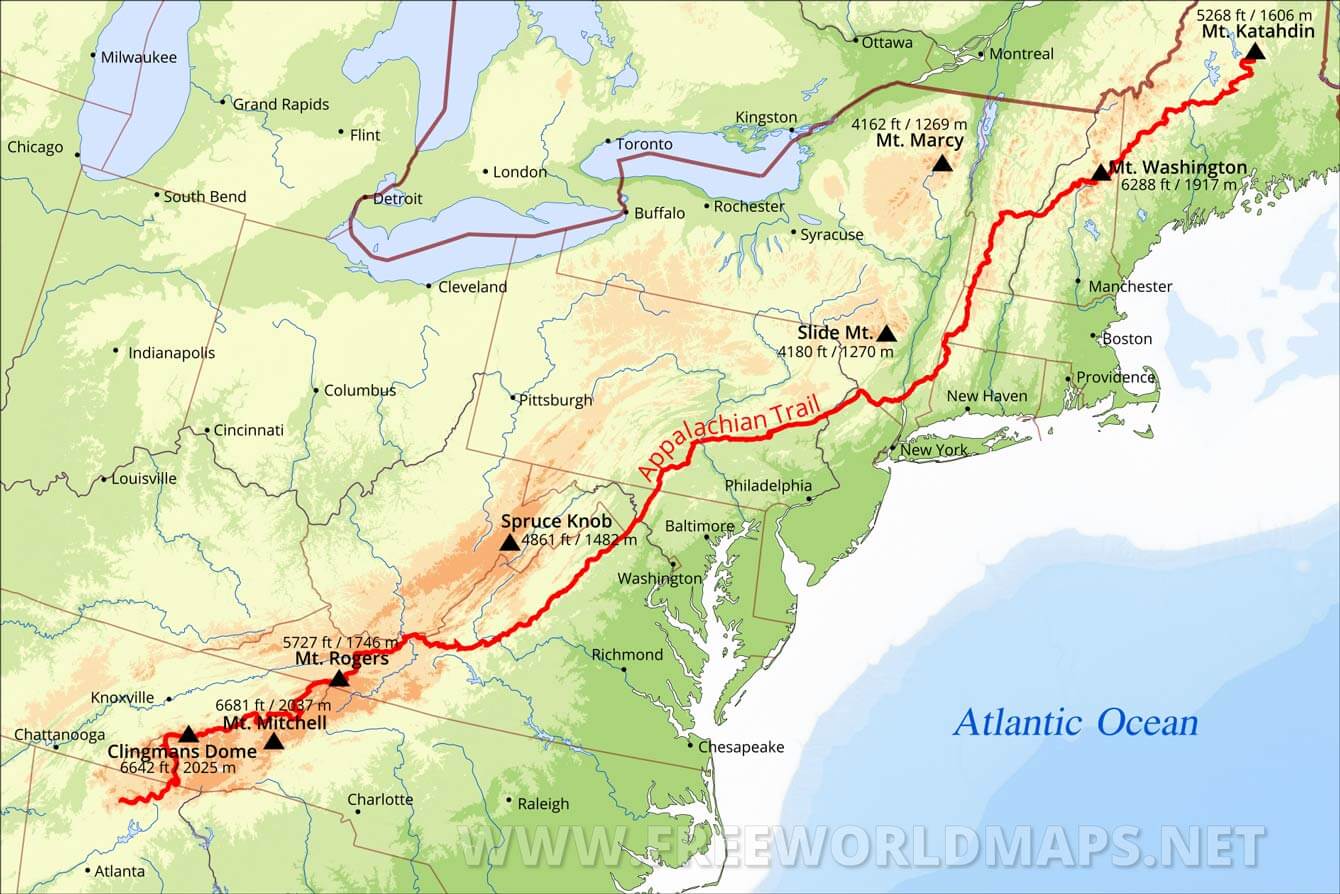
    Appalachian Mountain Range Map

    An effective ERP solution is crucial for manufacturing operations, as it not only streamlines processes but also enhances productivity and operational efficiency. When considering an ERP system, manufacturers should focus on features that address their specific challenges, including inventory management, production planning, and quality control. This guide highlights essential features that an ERP solution should offer, along with examples of how these features can solve common manufacturing issues.

    Essential Features for Manufacturing ERP Solutions

    To ensure that an ERP solution meets the unique needs of the manufacturing sector, several key features should be prioritized. Each feature plays a significant role in overcoming industry challenges and improving overall performance.

    • Inventory Management: This feature helps manufacturers track stock levels, manage reorder points, and optimize inventory turnover. For instance, real-time inventory tracking prevents excess stock and reduces holding costs, addressing the common issue of overproduction.
    • Production Planning: An effective production planning tool allows manufacturers to schedule jobs efficiently, allocate resources effectively, and anticipate delays. For example, utilizing Gantt charts can help visualize production schedules, ensuring that deadlines are met and resources are not underutilized.
    • Quality Control: Quality management features enable manufacturers to monitor product quality throughout the production process. Automated quality checks can catch defects early, reducing waste and rework costs. For instance, implementing statistical process control techniques can enhance product consistency, mitigating the risk of customer complaints.
    • Supply Chain Management: A robust ERP should provide tools for managing supplier relationships and logistics. This feature can help manufacturers streamline procurement processes and negotiate better terms with suppliers, ultimately leading to lower material costs and improved delivery times.
    • Reporting and Analytics: Integrated reporting tools allow manufacturers to analyze data across various functions, leading to informed decision-making. For example, using dashboards can provide insights into production efficiency, helping identify bottlenecks and areas for improvement.

    Comparison of Different ERP Solutions for Manufacturing

    Choosing the right ERP solution requires careful consideration of the features offered by different vendors. Below is a comparison table showcasing various ERP solutions and their key features tailored for manufacturing operations.

    ERP Solution Inventory Management Production Planning Quality Control Supply Chain Management Reporting and Analytics
    Oracle NetSuite Yes Yes Yes Yes Yes
    SAP S/4HANA Yes Yes Yes Yes Yes
    Microsoft Dynamics 365 Yes Yes Yes Yes Yes
    Infor CloudSuite Industrial Yes Yes Yes Yes No
    Epicor ERP Yes Yes Yes No Yes

    The features highlighted in this comparison serve to illustrate the strengths of each ERP solution, aiding manufacturers in making informed decisions based on their operational needs and challenges.

    Top ERP Software Options for Manufacturing Businesses

    Appalachian Mountains Map | USA Map, Mountains, Appalachian Mountains ...

    In the rapidly evolving landscape of manufacturing, choosing the right ERP software can significantly enhance operational efficiency, streamline processes, and improve overall productivity. The right ERP solution not only integrates various functions but also enables manufacturers to respond swiftly to market changes and customer demands. Below are some of the leading ERP software options specifically tailored for manufacturing businesses, along with their strengths and weaknesses.

    Leading ERP Software for Manufacturing

    Several ERP systems have emerged as top contenders in the manufacturing sector, each offering unique features that cater to different business needs. Below are the details of these ERP options:

    SAP S/4HANA

    Strengths

    Comprehensive module offerings, strong analytics, real-time data processing capabilities.

    Weaknesses

    High implementation costs, steep learning curve for new users.

    User Reviews

    “SAP S/4HANA has transformed our data reporting processes, allowing us to make decisions faster.”

    • “The integration capabilities are unmatched, but the complexity can be daunting for new users.”
    • Oracle NetSuite

    Strengths

    Cloud-based solution, scalability, robust financial management features.

    Weaknesses

    Customization can be expensive, navigation may be unintuitive for some users.

    User Reviews

    “NetSuite has streamlined our financial operations, but the initial setup was a bit tedious.”

    • “The cloud access is a game-changer for our multi-site operations.”
    • Microsoft Dynamics 365

    Strengths

    Integration with other Microsoft products, user-friendly interface, flexible deployment options.

    Weaknesses

    May lack in-depth manufacturing-specific features compared to specialized solutions.

    User Reviews

    “Dynamics 365’s integration with Office 365 is seamless, making collaboration easy.”

    • “While it’s user-friendly, we wish it had more advanced manufacturing modules.”
    • Infor CloudSuite Industrial (SyteLine)

    Strengths

    Industry-specific functionality, strong scheduling capabilities, user-friendly dashboards.

    Weaknesses

    Limited third-party integrations, can be overwhelming for smaller manufacturers.

    User Reviews

    “The scheduling tools have improved our production timelines significantly.”

    • “It’s powerful, but the learning curve can be steep for new users.”
    • Epicor ERP

    Strengths

    Flexible and customizable, designed specifically for manufacturing, good customer support.

    Weaknesses

    Some users report it can be slow, particularly with larger data sets.

    User Reviews

    “Epicor’s customization has allowed us to tailor the ERP to our specific needs.”

    “While it offers a lot, I’ve experienced lag during peak usage times.”

    Understanding the strengths and weaknesses of these ERP solutions is crucial for manufacturing businesses looking to enhance their operations. Choosing an ERP system should align with the specific needs and challenges of the organization, ensuring that it supports growth and efficiency in a competitive market.

    The Implementation Process of ERP Solutions in Manufacturing

    Implementing an ERP system in a manufacturing environment is a strategic move that can significantly enhance operational efficiency and data management. The execution of this technological shift involves several key steps that require meticulous planning and collaboration among various stakeholders within the organization.The implementation of an ERP system typically follows a structured process designed to ensure smooth integration into existing operations.

    It’s crucial to recognize that challenges may arise at any stage, but with proactive strategies, these can be effectively managed.

    Steps Involved in ERP Implementation

    The successful implementation of an ERP system can be broken down into several critical phases. Each phase builds upon the previous one, ensuring that the process is comprehensive and thorough.

    1. Needs Assessment: Evaluate current processes and identify specific needs that the ERP system should address.
    2. Project Planning: Develop a detailed project plan that Artikels timelines, resources, and responsibilities.
    3. Vendor Selection: Research and select an ERP vendor that aligns with the company’s needs and budget.
    4. System Configuration: Customize the ERP software to fit the unique requirements of the manufacturing operations.
    5. Data Migration: Transfer existing data into the new ERP system, ensuring data integrity and accuracy.
    6. Testing: Conduct rigorous testing to identify and rectify any issues before going live.
    7. Training: Provide comprehensive training for users to ensure familiarity with the new system.
    8. Go-Live: Officially launch the ERP system and monitor its performance closely.
    9. Post-Implementation Support: Offer ongoing support and updates to address any emerging challenges or improvements.

    Challenges and Solutions during Implementation

    Implementing an ERP system can present various challenges that may affect the progress of the project. Addressing these challenges promptly is essential for a successful implementation.

    “Common challenges during ERP implementation include resistance to change, project scope creep, and data migration issues.”

    Potential challenges include:

    • Resistance to Change: Employees may be hesitant to adapt to new systems. Overcome this by involving them early in the process and providing adequate training.
    • Scope Creep: Project goals may expand beyond initial plans, causing delays. Maintain clear documentation and regular communication to manage expectations.
    • Data Migration Issues: Transferring data can lead to inaccuracies or loss. Conduct thorough checks and validations to ensure data integrity.
    • Budget Overruns: The cost of implementation can exceed estimates. Set a realistic budget and monitor expenses closely to prevent overspending.

    Timeline Example for ERP Implementation

    A typical ERP implementation timeline can vary based on the size and complexity of the manufacturing firm. Below is an example timeline outlining the phases of ERP system implementation:

    Phase Duration
    Needs Assessment 1-2 Months
    Project Planning 1 Month
    Vendor Selection 1-2 Months
    System Configuration 2-3 Months
    Data Migration 1 Month
    Testing 1 Month
    Training 1 Month
    Go-Live 1 Month
    Post-Implementation Support Ongoing

    Customization and Scalability of ERP Solutions for Growing Manufacturers

    Northern Appalachian Mountains Map

    As manufacturing businesses evolve, the demand for adaptable systems becomes increasingly important. Customization and scalability in ERP solutions are essential for manufacturers who want to tailor their operations to meet unique needs, especially as they expand. In this section, we will explore how these factors can significantly enhance operational efficiency and support growth trajectories in the manufacturing sector.Customization is pivotal in creating an ERP solution that aligns with the specific requirements of a manufacturing business.

    Every manufacturer has distinct processes, workflows, and compliance needs that standard software may not fully address. This personalization can range from modifying software interfaces to integrating specific tools that aid in production tracking, inventory management, and quality control. By tailoring an ERP solution, manufacturers can optimize their operations for better efficiency and accuracy.

    Importance of Scalability in ERP Solutions

    Scalability is crucial for manufacturers who anticipate growth and the need to adapt to changing market demands. A scalable ERP system allows businesses to expand their operations without the need for a complete system overhaul. This flexibility supports various growth strategies, such as entering new markets, increasing production capacity, or adding new product lines. A robust ERP solution will facilitate seamless integration of additional functionalities as the business grows.Consider the case of a medium-sized manufacturer that initially implemented an ERP solution designed for small businesses.

    As they began to scale operations, they faced limitations that hindered productivity and efficiency. By switching to a more scalable ERP system that could handle increased transaction volumes and complex supply chain demands, they were able to double their output without sacrificing quality.Another notable example is a global automotive parts supplier that customized their ERP solution to incorporate advanced analytics and real-time reporting capabilities.

    This customization allowed them to streamline operations, monitor production in real-time, and respond swiftly to market changes. With this scalable ERP system in place, they successfully expanded into international markets while maintaining control over their production processes.In summary, the importance of customization in ERP solutions cannot be overstated for manufacturers aiming to meet their unique operational challenges. Scalability further empowers these businesses to grow and adapt in an ever-evolving landscape, ensuring they remain competitive and responsive to market demands.

    Cost Considerations of Implementing ERP Solutions in Manufacturing

    Mountains in Maine Map: Appalachian Mountains Guide

    Implementing an ERP solution in manufacturing is a significant investment that requires careful financial planning. Understanding the various cost factors involved can help organizations make informed decisions and maximize their return on investment (ROI). Several elements contribute to the total cost of ownership (TCO) of an ERP system, including software acquisition, training, maintenance, and additional operational costs.The costs associated with ERP implementation can be broadly categorized into different areas.

    Each of these areas plays an essential role in determining the overall financial commitment required for a successful ERP rollout. Organizations must evaluate these costs to create a comprehensive budget and avoid any unexpected expenses during the implementation process.

    Breakdown of Costs Involved in ERP Implementation

    A detailed breakdown of the various costs associated with ERP solutions for manufacturing includes several key components. It is critical to understand how each element contributes to the total cost.

    • Software Licensing Costs: This includes the fees for purchasing the ERP software, which can vary significantly depending on the vendor and the features included. On-premises solutions typically have a higher upfront cost compared to cloud-based solutions.
    • Customization Costs: Many organizations require customized features to meet their unique operational needs. Custom development can lead to additional costs that should be factored into the budget.
    • Training Costs: Proper training is vital for ensuring employees can effectively use the new system. This may involve costs for training sessions, materials, and potential downtime as staff acclimate to the new software.
    • Maintenance and Support Costs: Ongoing support from the vendor, as well as maintenance of the software, can add to the annual expenditure. This includes updates, patches, and customer service.
    • Infrastructure Costs: For on-premises implementations, organizations need to consider costs associated with hardware, networks, and other infrastructure upgrades.
    • Change Management Costs: Implementing an ERP system often requires changes in processes and workflows. Costs related to managing these changes, including potential consultancy fees, should also be included in the budget.

    A comprehensive understanding of these cost factors can help manufacturers assess whether an ERP solution aligns with their financial strategy and operational goals.

    Total Cost of Ownership Comparison

    To illustrate the financial implications of different ERP solutions, a comparison table of the total cost of ownership can be beneficial. Below is an overview of estimated costs for three popular ERP solutions tailored for manufacturing, showcasing variations in pricing structures and associated costs.

    ERP Solution Initial Software Cost Annual Maintenance Cost Training Cost Customization Cost Estimated TCO (5 years)
    ERP Solution A $100,000 $20,000 $15,000 $30,000 $300,000
    ERP Solution B $80,000 $15,000 $10,000 $20,000 $215,000
    ERP Solution C $120,000 $25,000 $20,000 $40,000 $450,000

    This table provides a clear view of the cost landscape for different ERP solutions, allowing manufacturers to make strategic decisions based on their budget and operational needs. By carefully analyzing the total cost of ownership, organizations can better navigate the complexities of ERP implementation and ensure a successful investment.

    The Future of ERP Solutions in the Manufacturing Sector

    As manufacturers navigate the rapidly evolving landscape of technology, the future of Enterprise Resource Planning (ERP) solutions is becoming increasingly intertwined with advancements in artificial intelligence (AI) and the Internet of Things (IoT). These technologies are redefining how manufacturers operate, offering opportunities for increased efficiency, better decision-making, and enhanced integration across various operations. As we examine the emerging trends in ERP technology, it’s essential to understand both their potential and the challenges that may arise.

    Emerging Trends in ERP Technology

    The manufacturing sector is witnessing a significant shift with the adoption of next-generation ERP solutions. These systems are increasingly cloud-based, allowing for greater flexibility and scalability. Manufacturers are embracing these platforms for their ability to seamlessly integrate with existing technologies, boosting collaboration and data accessibility. Key trends shaping ERP technology include:

    • Cloud Computing: The transition to cloud-based ERP systems facilitates real-time data updates and remote accessibility, enabling manufacturers to operate efficiently from anywhere.
    • Integration with AI: AI-driven analytics are becoming a cornerstone of ERP solutions, providing predictive insights that guide inventory management, production scheduling, and quality control.
    • IoT Integration: The connection of IoT devices to ERP systems enhances data collection and monitoring, allowing manufacturers to optimize equipment performance and streamline supply chain operations.

    These trends highlight the increasing importance of adaptability and real-time data in manufacturing processes.

    Influence of AI and IoT on ERP Solutions

    The integration of AI and IoT technologies into ERP solutions offers manufacturers unprecedented advantages. AI facilitates improved data analysis, enabling predictive maintenance and smarter decision-making. IoT devices collect granular data from machinery and equipment, feeding this information back into ERP systems for real-time processing. The implications of this integration are profound:

    • Enhanced Predictive Maintenance: Manufacturers can anticipate equipment failures before they occur, reducing downtime and maintenance costs.
    • Improved Supply Chain Efficiency: IoT-enabled tracking allows for better oversight of inventory levels and shipment statuses, optimizing logistics and reducing delays.
    • Data-Driven Decision Making: AI capabilities in ERP systems empower manufacturers to make informed decisions based on extensive data analysis, leading to more strategic operations.

    This synergy between AI, IoT, and ERP systems is paving the way for smarter, more responsive manufacturing environments.

    Challenges in Adopting Evolving ERP Technology

    Despite the promising advancements in ERP technology, manufacturers face several challenges as they adapt to these changes. One major concern is the complexity of integrating new systems with legacy applications. As these technologies evolve, the need for interoperability becomes critical. Additional challenges include:

    • Data Security Concerns: With increased connectivity comes heightened risk of cybersecurity threats, necessitating robust security measures to protect sensitive data.
    • Change Management Issues: Transitioning to new ERP systems often requires cultural shifts within organizations, which can encounter resistance from employees accustomed to previous workflows.
    • Cost of Implementation: The initial investment for advanced ERP solutions can be substantial, posing a barrier for some manufacturers, especially smaller enterprises.

    Addressing these challenges will be vital for manufacturers looking to leverage the full potential of future ERP solutions.

  • ERP software for manufacturing companies enhancing efficiency

    In today’s fast-paced manufacturing landscape, ERP software for manufacturing companies stands out as a game-changer, revolutionizing how operations are conducted. With the ability to streamline processes, these systems enhance productivity and provide real-time insights that enable informed decision-making. Imagine a world where inventory is managed in real-time, production schedules are optimized, and data flows seamlessly across departments; this is the promise of effective ERP integration.

    From automating mundane tasks to providing analytical tools that drive strategic initiatives, ERP software is essential for manufacturers looking to stay competitive. By integrating various functions like supply chain management, production planning, and financial tracking, manufacturers can achieve a level of efficiency previously thought unattainable. The impact is especially significant when considering the diverse processes involved in manufacturing, each of which can be optimized through tailored ERP solutions.

    The importance of ERP software in the manufacturing sector

    In the fast-paced manufacturing industry, the integration of Enterprise Resource Planning (ERP) software has become essential for maintaining competitiveness and improving operational efficiency. Manufacturing companies face numerous challenges, such as managing complex supply chains, ensuring production quality, and meeting customer demands. ERP software addresses these challenges by providing a unified platform that streamlines operations and enhances productivity.ERP software integrates various business processes, including inventory management, production planning, and financial tracking, into a single system.

    This integration leads to increased visibility across departments, allowing for better coordination and communication. For instance, when production schedules change, real-time data updates enable the supply chain team to adjust orders promptly, minimizing delays and reducing excess inventory. By centralizing information, ERP systems eliminate data silos, ensuring that all staff members are working with the same, up-to-date information.

    Manufacturing processes improved through ERP integration

    Several key manufacturing processes can see significant improvements through the implementation of ERP software. These enhancements not only boost efficiency but can also lead to substantial cost savings and increased customer satisfaction.

    1. Inventory Management

    ERP systems provide real-time tracking of inventory levels, reducing the risk of stockouts or overstock situations. This dynamic management helps in optimizing inventory turnover rates.

    2. Production Planning and Scheduling

    With ERP, manufacturers can create more accurate production schedules that reflect real-time capacity and demand data. This flexibility allows for a more agile response to market changes and customer requests.

    3. Quality Control

    An integrated ERP solution facilitates better quality management by tracking defects and non-conformance issues in real-time. This ensures that corrective measures can be implemented swiftly, maintaining product quality.

    4. Supply Chain Management

    ERP software enhances visibility throughout the supply chain, enabling manufacturers to collaborate more effectively with suppliers and distributors. This leads to improved procurement processes and reduces lead times.

    5. Human Resources Management

    ERP systems streamline HR processes such as payroll, recruitment, and employee performance assessments, allowing HR teams to focus on strategic initiatives rather than administrative tasks.The role of ERP in real-time data analysis is crucial for informed decision-making. By harnessing real-time data across various functions, manufacturers can identify trends, forecast demands, and make proactive adjustments to their operations. For example, a manufacturer might analyze production data to detect bottlenecks in the workflow, allowing them to reallocate resources or implement process improvements before issues escalate.

    Real-time data analysis enables manufacturers to make informed, agile decisions that drive efficiency and innovation.

    By leveraging ERP software, manufacturing companies not only enhance their operational capabilities but also ensure they stay ahead in a highly competitive landscape, capable of adapting to ever-changing market dynamics.

    Key features to look for in ERP software for manufacturing companies

    In the manufacturing sector, selecting the right Enterprise Resource Planning (ERP) software is essential for optimizing operations and achieving efficiency. ERP systems designed for manufacturing can integrate various business processes, streamline workflows, and provide valuable insights into production management. When evaluating ERP solutions, certain key features stand out as particularly beneficial for manufacturing environments.Manufacturing companies face unique challenges, including complex supply chains, fluctuating demand, and the need for precise inventory management.

    The right ERP software can address these issues through specific features that enhance overall productivity and operational visibility.

    Essential Features of ERP Software for Manufacturing

    Identifying the right features in ERP software is crucial for addressing the specific needs of manufacturing companies. Here are some essential features to consider:

    Feature Description How It Supports Manufacturing Needs
    Inventory Management Real-time tracking of raw materials and finished products. Helps in reducing excess stock and minimizing stockouts, thus optimizing inventory levels.
    Production Planning Tools for scheduling production runs and managing resources. Enables efficient use of machinery and labor, improving throughput and meeting order deadlines.
    Quality Control Monitoring and managing quality assurance processes. Ensures that products meet required standards, thereby reducing defects and returns.
    Supply Chain Management Integration of supplier and supplier performance data. Improves collaboration with suppliers and enhances procurement efficiency.
    Reporting and Analytics Advanced reporting tools for business intelligence. Facilitates informed decision-making by providing insights into production metrics and performance trends.
    Compliance Management Features for tracking regulatory requirements. Helps in maintaining compliance with industry regulations, reducing the risk of penalties.

    Each of these features plays a vital role in addressing specific manufacturing needs. For instance, robust inventory management ensures materials are available when needed without tying up excessive cash in stock. Similarly, production planning tools allow manufacturers to adjust schedules based on demand fluctuations, ensuring that production aligns closely with market needs. Quality control mechanisms help maintain product excellence, which is critical in maintaining customer trust and satisfaction.

    Ultimately, selecting ERP software with these features enables manufacturers to enhance their operational efficiency and respond swiftly to market changes.

    Challenges faced by manufacturing companies when implementing ERP systems

    Megger Test Form | PDF | Electrical Engineering | Manufactured Goods

    Implementing ERP systems in manufacturing companies is often a complex and challenging endeavor. The integration of various business processes into a singular, cohesive platform can lead to several obstacles that organizations must navigate. Understanding these challenges is key to ensuring a successful implementation and maximizing the potential benefits of ERP systems.Manufacturers commonly face a variety of obstacles during ERP implementation, each contributing to potential delays and frustrations.

    One of the primary challenges is resistance to change among employees. Many staff members may be accustomed to existing processes, and adapting to a new system can cause anxiety regarding job security and work methodologies. Another significant hurdle is data migration. Transferring existing data from legacy systems to the new ERP can be complicated, especially if the data is inconsistent or poorly organized.

    Additionally, the high costs associated with acquiring and maintaining ERP systems can strain budgets, prompting concerns about return on investment.Another critical challenge relates to customization and integration with existing processes and technologies. Many manufacturing companies have unique processes that require tailored solutions, which can complicate implementation timelines and costs. Furthermore, a lack of skilled personnel to manage the deployment effectively can hinder progress.

    Training staff adequately to utilize the new system is essential, yet often overlooked, leading to underutilization of the software’s capabilities.

    Strategies to overcome implementation challenges

    To address these challenges effectively, several strategies can be employed to ensure minimal disruption to operations. Establishing a clear change management plan is vital. This plan should include communication strategies that involve all stakeholders, ensuring that employees understand the benefits and functionalities of the new system.

    • Engagement and Training: Involve employees early in the process to reduce resistance. Providing comprehensive training sessions can build confidence and promote a smoother transition.
    • Data Cleansing: Prioritize data organization and cleansing before migration. This ensures that only high-quality, relevant data is transferred, minimizing complications during implementation.
    • Phased Implementation: Consider adopting a phased approach to roll out the ERP system. Implementing the system in stages allows for feedback and adjustments, reducing operational disruptions.
    • Choosing the Right Vendor: Partnering with a vendor experienced in manufacturing ERP solutions can provide valuable insights and tailored solutions that fit the specific needs of your operations.

    Successful change management practices in the manufacturing sector often demonstrate the effectiveness of these strategies. For instance, a leading automotive manufacturer implemented an ERP system in phases, starting with a pilot program in one of its plants. This approach allowed the company to gather insights and make necessary adjustments before a full-scale deployment. As a result, the manufacturer reported a significant improvement in operational efficiency and employee satisfaction.

    By fostering a culture of collaboration and continuous improvement, companies can successfully manage the complexities of ERP implementation and harness the full potential of their new systems.

    Customization options for ERP software in manufacturing

    In the dynamic landscape of manufacturing, the need for tailored solutions is crucial. Customization of Enterprise Resource Planning (ERP) software allows manufacturers to align the system with their specific processes and requirements, enhancing operational efficiency and responsiveness. By adapting the ERP to meet unique operational demands, companies can improve resource allocation, streamline production, and ultimately drive profitability.Customization in ERP software serves to address the distinct workflows and methodologies prevalent in various manufacturing sectors.

    For instance, discrete manufacturers may require different module setups compared to process manufacturers. These capabilities enable firms to modify functionalities, user interfaces, and reporting methods to suit their precise needs. Some of the most common customizable modules include:

    Customizable Modules and Their Impact on Efficiency

    Customizable ERP modules can significantly enhance operational efficiency by allowing manufacturers to adapt functionalities that best serve their daily operations. Key examples include:

    • Production Planning: Tailor the scheduling and resource allocation features to fit specific production cycles and equipment capabilities, improving throughput and reducing downtime.
    • Inventory Management: Customize tracking and replenishment processes to accommodate unique inventory types, leading to better stock control and minimized carrying costs.
    • Quality Control: Implement bespoke quality assurance workflows and reporting tools to meet industry standards, ensuring product consistency and compliance.
    • Supply Chain Management: Modify supplier relationship management features to better suit vendor interactions, optimizing procurement processes and lead times.

    Customization offers several advantages, including improved user experience, more precise reporting, and enhanced integration with existing systems. However, there are potential drawbacks to consider as well. These can include increased implementation costs, longer deployment times, and potential challenges in maintaining updates and support.

    Customization can lead to a competitive edge, yet it requires careful planning and resource allocation to maximize benefits.

    Case studies of successful ERP implementation in manufacturing

    Implementing ERP software can transform the manufacturing landscape for companies, enabling improved efficiency, better data management, and enhanced decision-making. Below are two case studies showcasing how manufacturing companies successfully adopted ERP systems, detailing the software used and the significant outcomes achieved.

    Case Study 1: Coca-Cola Enterprises

    Coca-Cola Enterprises (CCE) implemented SAP ERP to streamline its production and distribution processes. CCE faced challenges with managing inventory across its vast supply chain, leading to inefficiencies and higher operational costs. Post-implementation of SAP, CCE achieved remarkable results, including a 20% reduction in inventory holding costs and a 30% increase in order fulfillment rates. The implementation allowed for real-time data access across various departments, fostering better communication and collaboration.

    This integration reduced delays and improved overall production efficiency. Key takeaways from CCE’s experience highlight the importance of involving all stakeholders in the implementation process and emphasizing training to maximize user adoption.

    “Real-time data access has revolutionized our operational workflow.”

    Case Study 2: Siemens AG

    Siemens AG adopted Oracle ERP Cloud to modernize its manufacturing processes and improve operational agility. The company was challenged by disparate systems that hindered data sharing between departments. The transition to Oracle’s ERP system not only improved visibility across the supply chain but also enhanced compliance with industry regulations.After the implementation, Siemens reported a 15% increase in production efficiency and a 25% reduction in operational costs.

    The cloud-based nature of Oracle ERP allowed for scalable solutions that adapted to Siemens’ growing business needs. A critical lesson learned from Siemens’ journey is the necessity of choosing an ERP solution that aligns with future business objectives and the importance of continuous evaluation of system performance post-implementation.

    “Investing in a scalable ERP system paved the way for our future growth.”

    Both case studies illustrate that successful ERP implementation in manufacturing relies heavily on strategic planning, stakeholder engagement, and a focus on training and adoption to realize measurable benefits. Manufacturers looking to follow in these footsteps should consider these factors as vital components of their ERP strategy.

    The future of ERP software in the manufacturing industry

    The landscape of ERP software is evolving rapidly, especially within the manufacturing sector. As industries increasingly adopt advanced technologies, the future of ERP systems is set to be more integrated, intelligent, and user-friendly. Emerging trends such as cloud computing, artificial intelligence (AI), and the Internet of Things (IoT) are reshaping how manufacturers manage their operations, leading to smarter decision-making and enhanced efficiency.The integration of AI and IoT into ERP systems is a game-changer for manufacturing settings.

    These technologies enable real-time data collection and analysis, providing manufacturers with insights that were previously difficult to achieve. AI algorithms can predict equipment failures, optimize inventory levels, and streamline production schedules, significantly reducing downtime and costs. IoT devices, on the other hand, allow for seamless communication between machines and the ERP system, enabling automated updates and maintenance alerts.

    Impact of AI and IoT on operational efficiencies and cost reduction

    The incorporation of AI and IoT into ERP systems leads to substantial improvements in operational efficiencies. Here are some key impacts:

    • Predictive Maintenance: AI analyzes data from IoT sensors to forecast equipment failures, allowing manufacturers to perform maintenance before breakdowns occur. This proactive approach minimizes unexpected downtime and repair costs.
    • Supply Chain Optimization: Real-time data from IoT devices facilitates better demand forecasting and inventory management. This reduces excess stock and ensures that materials are available when needed, ultimately lowering holding costs.
    • Automated Reporting: AI-driven analytics can generate reports automatically, providing insights into production performance and areas for improvement. This saves time and improves decision-making accuracy.
    • Enhanced Production Efficiency: IoT connectivity allows for real-time monitoring of manufacturing processes, enabling quick adjustments that enhance throughput and reduce waste.

    In summary, the future of ERP software in manufacturing is characterized by the integration of advanced technologies like AI and IoT, which boost operational efficiencies and drive down costs. As manufacturers continue to embrace these innovations, the potential for improved productivity and competitive advantage grows significantly.

    Comparative analysis of top ERP software solutions for manufacturing companies

    In today’s manufacturing landscape, selecting the right ERP software is crucial for operational efficiency and business growth. Various solutions cater to specific needs of manufacturing companies, making it imperative to understand their unique strengths and weaknesses. This comparative analysis provides insights into the top ERP solutions tailored for the manufacturing sector.

    Strengths and Weaknesses of Top ERP Solutions

    Understanding the advantages and drawbacks of leading ERP systems aids manufacturers in making informed decisions. Below is a comparative overview of some of the top ERP software solutions:

    • Oracle NetSuite
      • Strengths: Comprehensive functionality, real-time analytics, and strong cloud capabilities.
      • Weaknesses: Higher cost and complexity may be challenging for smaller businesses.
    • SAP S/4HANA
      • Strengths: Robust integration, scalability, and extensive industry-specific features.
      • Weaknesses: Implementation can be lengthy and requires significant resources.
    • Microsoft Dynamics 365
      • Strengths: User-friendly interface, strong integration with other Microsoft products, and flexibility.
      • Weaknesses: Some advanced features may require additional costs, and customization can be complex.
    • Infor CloudSuite
      • Strengths: Industry-specific solutions, strong analytics, and user-friendly design.
      • Weaknesses: Limited third-party integrations and can be expensive for small manufacturers.

    Choosing the right ERP solution can streamline operations, enhance data accuracy, and ultimately drive profitability.

    Different types of manufacturing companies can benefit from each ERP solution based on their unique operational needs. For instance, large manufacturers with complex supply chains may find SAP S/4HANA most beneficial due to its robust integration capabilities. In contrast, small to mid-sized companies could opt for Microsoft Dynamics 365 for its flexibility and ease of use. Manufacturing firms focused on cloud solutions might lean towards Oracle NetSuite for its comprehensive functionality without the need for extensive on-premise infrastructure.

    Each solution presents opportunities to enhance efficiency and productivity, tailored to the specific requirements of different manufacturing environments.