Tag: technology trends

  • integrated ERP management system transforming businesses

    With integrated ERP management system at the forefront, businesses today are experiencing a transformation that redefines efficiency and productivity. Imagine a seamless flow of information where every department collaborates effortlessly, leading to improved decision-making and enhanced outcomes. This system integrates all facets of an organization into one comprehensive platform, allowing real-time data access and streamlined processes that significantly bolster operational capabilities.

    The integrated ERP management system serves as the backbone of modern enterprises, combining various components that work cohesively to manage resources, finance, and supply chain operations. Over the years, ERP systems have evolved from standalone applications into sophisticated, integrated solutions that leverage cutting-edge technology to meet the dynamic needs of businesses. This comprehensive overview not only sheds light on what integrated ERP management systems are but also how they have become pivotal in driving business success.

    Integrated ERP Management System Overview

    An Integrated ERP (Enterprise Resource Planning) Management System acts as the central nervous system of an organization, streamlining processes across various departments. By combining functionalities into a single platform, it allows businesses to manage their operations more efficiently. This system is designed to facilitate information flow between all business functions, providing a cohesive environment that enhances decision-making and operational efficiency.An integrated ERP system typically comprises several key components that work together seamlessly.

    These components are designed to address various organizational needs, providing a comprehensive solution for business management. The core modules of an ERP system usually include:

    Core Components of an Integrated ERP System

    Understanding the fundamental components of an integrated ERP system is vital for recognizing its multifaceted capabilities. Each component serves a specific purpose and contributes to the overall efficiency of the organization.

    • Finance and Accounting: Manages the organization’s financial data, including budgeting, forecasting, and reporting. It ensures compliance with financial regulations and provides real-time insights into financial performance.
    • Human Resources Management: Streamlines HR processes such as recruitment, onboarding, payroll, and performance management. It helps in maintaining employee records and facilitates efficient workforce management.
    • Supply Chain Management: Oversees the entire supply chain, from procurement to inventory management and order fulfillment. It enhances collaboration with suppliers and improves the flow of goods.
    • Manufacturing and Production: Manages production planning, scheduling, and quality control. This component ensures efficient use of resources and minimizes production costs.
    • Customer Relationship Management: Focuses on managing interactions with customers, helping improve satisfaction and loyalty. It includes sales force automation, customer support, and marketing automation functionalities.

    The evolution of ERP systems has been significant since their inception. Initially, ERP systems were primarily focused on automating back-office functions, with separate systems for different functions. Over the years, advancements in technology have led to a shift toward integrated solutions that provide real-time data access and analytics across departments. Modern ERP systems leverage cloud computing, mobile technology, and artificial intelligence to enhance integration and functionality.As businesses face increasingly complex challenges, the integration of various systems has become a necessity.

    This evolution has transformed ERP from a mere data repository into a strategic tool that drives business performance. Companies like SAP and Oracle lead the industry by offering adaptable solutions that cater to diverse business needs, demonstrating how integration can significantly impact operational success.

    Benefits of Implementing an Integrated ERP Management System

    759 en números romanos - Calculatio

    An integrated ERP (Enterprise Resource Planning) management system offers organizations a cohesive approach to managing their business processes. By centralizing data and streamlining operations, these systems bring significant advantages that enhance overall efficiency, data integrity, and decision-making capabilities. The focus here is on understanding how such systems can transform businesses positively.An integrated ERP management system significantly boosts data accuracy and improves decision-making processes by providing a single source of truth for all business data.

    This real-time access to accurate data ensures that decisions are made based on the most current information available, reducing the likelihood of errors that can occur when information is scattered across different systems. The seamless integration of various business functions allows for better forecasting, planning, and resource allocation.

    Major Benefits of Integrated ERP Systems

    The implementation of an integrated ERP system can offer numerous benefits for organizations across various sectors. Here are three major advantages:

    • Enhanced Efficiency: By automating routine tasks and streamlining processes, an integrated ERP system reduces manual work, allowing employees to focus on more strategic initiatives.
    • Improved Data Accuracy: Centralizing data within an ERP system minimizes the chances of discrepancies and errors, leading to reliable reporting and analytics.
    • Better Compliance and Risk Management: Integrated ERP systems often come with built-in compliance tools, helping organizations adhere to regulations and manage risks more effectively.

    Industries such as manufacturing, retail, and healthcare have experienced significant advantages from adopting integrated ERP systems. For instance, in the manufacturing sector, companies like Toyota have utilized ERP systems to streamline their supply chain processes, leading to reduced operational costs and improved inventory management. Similarly, retail giants like Walmart leverage ERP solutions to manage vast inventories efficiently, ensuring that stock levels are optimized and customer demands are met promptly.

    “An integrated ERP system not only enhances operational efficiencies but also fosters a culture of data-driven decision-making.”

    In the healthcare industry, organizations like Kaiser Permanente have implemented integrated ERP systems to improve patient care through better data management and operational efficiencies. By having a unified view of patient information, healthcare providers can make timely decisions that enhance patient outcomes.

    Key Features of an Integrated ERP Management System

    An integrated ERP management system serves as the backbone of modern businesses, fostering seamless connectivity and collaboration across various departments. These systems are designed to unify all critical business processes, allowing organizations to operate more efficiently and respond swiftly to market changes. The integration of various functionalities into a single platform enables companies to streamline operations, enhance productivity, and gain comprehensive insights into their performance.

    Real-time data processing is a pivotal aspect of integrated ERP systems, transforming how businesses manage their resources. By providing immediate access to accurate data, companies can make informed decisions, optimize workflows, and improve customer service. The ability to react quickly to changes in demand or supply chain disruptions can be a game-changer in today’s fast-paced business environment.

    Essential Features of Integrated ERP Management Systems

    The following features are fundamental to a robust integrated ERP management system, enhancing workflow and decision-making capabilities across the organization:

    • Centralized Database: A unified data repository ensures all departments access the same information, reducing discrepancies and ensuring data integrity.
    • Real-Time Analytics: Instantaneous data processing allows businesses to generate insights and reports quickly, aiding timely decision-making.
    • Automation of Processes: Automating repetitive tasks increases efficiency, reduces manual errors, and allows employees to focus on strategic activities.
    • Scalability: ERP systems can grow with the business, accommodating increased transactions and additional functionalities as needed.
    • Customizable Interfaces: User-friendly dashboards and customizable interfaces enhance the user experience and cater to specific business needs.
    • Robust Security Features: Enhanced security protocols protect sensitive data from breaches and unauthorized access, ensuring compliance with regulations.

    The comparative analysis of popular integrated ERP solutions showcases the diversity in features offered, allowing businesses to choose an option that best fits their requirements. Below is a table highlighting key features of a few leading ERP systems available in the market:

    ERP Solution Centralized Database Real-Time Analytics Process Automation Scalability Customization Security
    SAP S/4HANA Yes Yes Yes High Extensive Advanced
    Oracle ERP Cloud Yes Yes Yes Flexible Customizable Robust
    Microsoft Dynamics 365 Yes Yes Yes Moderate User-Friendly Strong
    NetSuite Yes Yes Yes High Flexible High
    Sage Business Cloud Yes No Limited Basic Moderate Basic

    The features listed and their comparative analysis underscore the significance of selecting an integrated ERP management system that aligns with the unique needs and goals of a business. The right ERP solution not only enhances operational efficiency but also positions organizations for sustainable growth in a competitive landscape.

    Challenges in Implementing an Integrated ERP Management System

    JUR-759播放-爱奇艺

    Implementing an integrated ERP (Enterprise Resource Planning) system presents a range of challenges that organizations must navigate to achieve a seamless transition. A successful ERP implementation is essential for optimizing business processes and improving overall efficiency, but it often encounters significant hurdles during the setup phase.Common challenges include resistance from employees, data migration issues, and the complexities associated with system customization.

    Resistance often arises due to fear of change, as employees may feel uncertain about how their roles will evolve post-implementation. Additionally, ensuring accurate data transfer from legacy systems can be fraught with difficulties, as organizations must clean and validate data to avoid errors that could lead to inefficiencies. Furthermore, customization requests can spiral out of control, leading to project delays and inflated budgets.

    Strategies to Overcome Implementation Obstacles

    To effectively navigate these challenges, organizations can employ several strategies that promote a smoother transition. First and foremost, engaging stakeholders early in the process fosters a sense of ownership and reduces resistance. Involving end-users in discussions and decisions around the ERP system can help alleviate fears and clarify benefits.Another critical strategy is to invest in thorough training programs. Providing comprehensive training on the new system equips employees with the necessary skills and confidence to adapt.

    Alongside training, appointing a dedicated change management team ensures that there are resources focused on addressing employees’ concerns and feedback throughout the implementation process.Additionally, organizations must tackle data migration head-on by developing a robust data management plan. This involves auditing existing data, defining data governance policies, and employing data migration tools that ensure accurate and efficient transfers.

    “A well-crafted change management strategy can significantly reduce resistance and enhance user engagement.”

    Impact of Organizational Culture on ERP Adoption

    Organizational culture plays a pivotal role in the successful adoption of an ERP system. A culture that embraces change and values collaboration tends to facilitate smoother implementations. For instance, organizations with open communication channels can better address employee concerns and foster a supportive environment, which can lead to higher acceptance levels of the new system.Conversely, a rigid culture that resists change may hinder the adoption process.

    If employees feel that their input is undervalued or that they are not adequately informed about changes, they are less likely to embrace the system. Leadership should actively promote a culture of innovation and continuous improvement, emphasizing the long-term benefits of the ERP system as part of the organization’s strategic vision. In summary, while challenges in implementing an integrated ERP system are common, strategic approaches can mitigate these obstacles.

    By understanding and cultivating a supportive organizational culture, businesses can not only overcome implementation challenges but also enhance their overall operational effectiveness.

    Best Practices for Selecting an Integrated ERP Management System

    Japan Codes - JUR-538 Mary Tachibana – N|T|R A dramatic,... | Facebook

    Selecting the right integrated ERP management system is crucial for enhancing operational efficiency and driving business growth. A well-chosen ERP can streamline processes, improve data accuracy, and support informed decision-making. Therefore, it’s essential to adopt a systematic approach when evaluating potential systems.Evaluating and selecting the right ERP involves several steps to ensure that the chosen system aligns with business needs and can adapt over time.

    Step-by-Step Guide to Evaluating and Selecting ERP Systems

    The selection process should be methodical and thorough to minimize the risk of overlooking critical elements. Here are the steps to follow:

    1. Define Business Requirements: Identify the specific needs and goals of your organization. This includes understanding the workflows, data management needs, and reporting requirements.
    2. Set a Budget: Determine how much you are willing to invest in an ERP system. This should include not just software costs, but also implementation, training, and ongoing maintenance.
    3. Research Vendors: Look for ERP vendors that specialize in your industry or have a strong reputation. Gather information through reviews, case studies, and testimonials.
    4. Request Demos: Schedule demonstrations with selected vendors to see how their systems function in real-time. Pay attention to user experience and interface.
    5. Assess Scalability and Customization: Evaluate how well each system can grow with your business and whether it can be customized to meet your specific needs.
    6. Check Support and Training: Ensure that the vendor provides adequate support and training options for your team to ease the transition to the new ERP.
    7. Evaluate Integration Capabilities: Look into how well the ERP integrates with your existing tools and systems, ensuring seamless data transfer and communication.
    8. Gather Feedback: Involve key stakeholders in the evaluation process to collect their insights and preferences regarding the systems being considered.
    9. Make a Decision: After careful evaluation, select the ERP system that best fits your criteria and business needs.

    Importance of Assessing Scalability and Customization Options

    Scalability and customization are pivotal aspects when evaluating ERP solutions. A scalable ERP system can accommodate business growth without requiring a complete overhaul. Customization ensures that the system can be tailored to meet unique business processes, thus maximizing efficiency.

    “An ERP that can grow with your business and adapt to its specific needs is an investment that will pay off in the long run.”

    Criteria for Comparing ERP Vendors

    When comparing different ERP vendors, it is essential to consider a comprehensive set of criteria to guide your decision. The following list Artikels critical aspects to evaluate:

    The following criteria can help streamline the decision-making process and ensure that the chosen ERP system aligns with your organizational goals:

    • Functionality: Assess if the ERP has all necessary features such as accounting, inventory management, and customer relationship management.
    • Cost Structure: Understand the pricing model, including licensing, subscription fees, and any additional costs for upgrades or support.
    • User Interface: Evaluate the usability of the system, as a user-friendly interface can significantly affect adoption rates among employees.
    • Customer Service: Analyze the level of customer support provided, including availability, response times, and user training resources.
    • Implementation Timeline: Determine how long it will take to implement the new system and the potential impact on business operations.
    • Data Security: Review the security measures in place to protect sensitive company and customer data.
    • Compliance: Ensure that the ERP system complies with relevant industry regulations and standards.
    • Vendor Reputation: Investigate the track record of the vendor, including their market presence and customer satisfaction ratings.

    Future Trends in Integrated ERP Management Systems

    The landscape of integrated ERP management systems is rapidly evolving, driven by advancements in technology and changing business needs. As organizations strive for greater efficiency and adaptability, emerging technologies are playing a pivotal role in shaping the future of ERP systems. This discussion delves into the significant trends that are set to transform integrated ERP solutions in the coming years.

    Emerging Technologies in ERP Systems

    Artificial Intelligence (AI) and machine learning are at the forefront of revolutionizing integrated ERP systems. These technologies facilitate automation, enhance decision-making processes, and improve user experiences. By leveraging AI, ERP systems can analyze vast amounts of data in real-time, providing actionable insights and predictive analytics.Key advancements include:

    • Intelligent Automation: Routine tasks such as data entry, order processing, and invoicing can be automated, allowing employees to focus on higher-value activities.
    • Predictive Analytics: Machine learning algorithms can forecast trends, enabling organizations to anticipate market demands and optimize inventory management.
    • Natural Language Processing: AI-driven interfaces can simplify user interactions with ERP systems by enabling voice commands and chatbots for seamless communication.

    Impact of Cloud Computing on ERP Solutions

    Cloud computing has significantly influenced the development of integrated ERP solutions by providing flexibility, scalability, and accessibility. Organizations can now deploy ERP systems through cloud platforms, which allows for easier updates, reduced infrastructure costs, and the ability to work remotely.Notable benefits include:

    • Cost Efficiency: Organizations can minimize upfront costs associated with hardware and software installations.
    • Scalability: As businesses grow, cloud-based ERP systems can easily scale to accommodate changing needs without major disruptions.
    • Remote Accessibility: Teams can access the ERP system from anywhere with an internet connection, enhancing collaboration and productivity.

    Data Analytics in ERP Systems

    The potential impact of data analytics on ERP systems over the next decade is profound. As businesses accumulate vast amounts of data, the ability to analyze this information effectively will be crucial for informed decision-making.Implications of data analytics include:

    • Enhanced Decision-Making: Organizations can utilize data-driven insights to make strategic decisions that improve operational efficiency and drive growth.
    • Real-Time Reporting: Advanced analytics tools can provide real-time performance metrics, allowing businesses to respond quickly to changing conditions.
    • Personalized Customer Experiences: Data analysis enables businesses to tailor their offerings based on customer behavior and preferences, enhancing customer satisfaction.

    The integration of AI, machine learning, cloud computing, and data analytics is reshaping the future of ERP systems, paving the way for smarter, more efficient business operations.

    Case Studies of Successful Integrated ERP Management System Implementations

    Próbka męskiego regeneracyjnego kremu do rąk Glantier 759 — 2 ml

    Organizations across various industries have increasingly turned to integrated ERP management systems to streamline their operations and enhance productivity. This section explores notable case studies of businesses that have successfully implemented these systems, focusing on the challenges they faced during the transition and the benefits they reaped afterward. By analyzing these examples, other companies can gain valuable insights into the potential advantages and obstacles of ERP implementation.

    Case Study: Manufacturing Company A

    Manufacturing Company A, a mid-sized firm specializing in electronic components, faced significant challenges with outdated legacy systems that hindered their production efficiency. The decision to implement an integrated ERP system aimed to unify various functions, including inventory management, order processing, and financial tracking.The implementation process was not without its hurdles. Initial resistance from staff and technical issues during integration were prominent challenges.

    However, with proper training and change management strategies, the company overcame these obstacles. One year post-implementation, Manufacturing Company A reported a 30% increase in operational efficiency and a 25% reduction in inventory costs.

    “The integration allowed us to have real-time data insights, which improved our decision-making significantly.”

    Lessons learned from this case include the importance of thorough training programs and the need for clear communication throughout the implementation process. These strategies can be applied to other organizations considering a similar transition.

    Case Study: Retail Chain B

    Retail Chain B, a national clothing retailer, encountered difficulties in managing its supply chain and customer relationships due to disparate systems that operated independently. The implementation of an integrated ERP system was aimed at consolidating these processes, leading to improved customer service and inventory control.During the rollout, the company experienced challenges such as data migration issues and a steep learning curve for employees.

    However, by engaging a dedicated project team and utilizing feedback loops, Retail Chain B successfully navigated these issues. Following the implementation, customer satisfaction scores improved by 40%, and the company achieved a 20% increase in sales revenue within six months.

    “With an integrated system, we can now forecast trends more accurately and respond swiftly to customer needs.”

    Critical takeaways from Retail Chain B’s experience include the necessity of involving all stakeholders early in the project and the value of iterative testing throughout the implementation phase, lessons that can greatly benefit similar retail-focused organizations.

    Case Study: Healthcare Provider C

    Healthcare Provider C, a network of hospitals, dealt with inefficiencies in patient management and billing processes due to legacy software systems. The shift to an integrated ERP system was intended to enhance patient care while streamlining administrative tasks.Faced with regulatory compliance challenges and data privacy concerns, the implementation team had to carefully navigate these complexities. Through collaboration with IT specialists and compliance officers, they successfully addressed these issues.

    The outcome was significant: a reduction in billing errors by 50% and an overall improvement in patient experience ratings.

    “Centralizing our operations has transformed how we deliver care while ensuring compliance with healthcare regulations.”

    Key lessons drawn from Healthcare Provider C include the importance of maintaining compliance during system changes and the need for ongoing support post-implementation, which are crucial elements for any healthcare organization looking to adopt similar systems.


  • Best ERP solutions for manufacturing made simple

    Best ERP solutions for manufacturing are reshaping the landscape of production efficiency and operational excellence. As manufacturers face the ever-evolving challenges of supply chain management and production optimization, the right ERP system can be a game changer. These solutions streamline processes, enhance real-time data accessibility, and facilitate better decision-making, ultimately driving growth and competitiveness in the market.

    With core functionalities tailored to the unique needs of the manufacturing sector, ERP systems boost productivity and reduce costs, allowing businesses to focus on innovation and quality. Whether it’s through improved inventory management, production scheduling, or compliance tracking, the potential benefits of implementing an ERP solution cannot be overstated.

    Understanding the Role of ERP Solutions in Manufacturing

    In the fast-paced world of manufacturing, operational efficiency is paramount. Enterprise Resource Planning (ERP) solutions have emerged as vital tools that integrate various business processes, streamline operations, and enhance productivity. These systems offer a centralized platform for managing resources, facilitating better decision-making, and driving growth in manufacturing environments.ERP solutions enhance operational efficiency by automating and optimizing core processes such as inventory management, production scheduling, and supply chain logistics.

    By providing real-time data and analytics, these systems allow manufacturers to track performance metrics and respond swiftly to changes in demand or market conditions. This results in reduced operational costs and improved resource allocation, enabling manufacturers to remain competitive in a dynamic market landscape.

    Core Functionalities of ERP Systems in Manufacturing

    The functionalities of ERP systems tailored for the manufacturing sector are comprehensive, addressing various aspects of production and operational management. Key functionalities include:

    • Production Planning and Control: ERP systems streamline the entire production process, from planning to execution. This includes scheduling, tracking progress, and managing resources effectively, ensuring that production runs smoothly and meets deadlines.
    • Inventory Management: Real-time inventory tracking helps manufacturers maintain optimal stock levels, reducing excess inventory while preventing stockouts. This capability is crucial for balancing supply and demand efficiently.
    • Quality Control: ERP solutions incorporate quality management features that ensure products meet established standards. This functionality allows manufacturers to conduct inspections and manage compliance more effectively.
    • Supply Chain Management: By integrating supply chain activities, ERP systems improve coordination with suppliers and distributors, enhancing visibility and reducing lead times.
    • Financial Management: ERP solutions provide tools for managing financial transactions, budgeting, and reporting, enabling manufacturers to maintain tight control over their financial health.

    Benefits of Implementing an ERP Solution in Manufacturing

    Manufacturing companies that implement ERP solutions experience a multitude of benefits that propel their operations forward. These advantages include:

    • Improved Efficiency: Streamlined processes and automation reduce manual tasks, allowing employees to focus on higher-value activities and increasing overall efficiency.
    • Enhanced Data Accuracy: With a centralized database, ERP systems minimize data discrepancies and errors, leading to more reliable decision-making based on accurate information.
    • Better Collaboration: ERP systems facilitate communication and collaboration across departments, breaking down silos and fostering a more integrated approach to operations.
    • Scalability: As businesses grow, ERP solutions can be scaled and customized to meet evolving needs, ensuring that the system continues to support operational demands.
    • Informed Decision-Making: Real-time analytics and reporting provide insights that empower managers to make informed decisions quickly, improving responsiveness to market changes.

    “ERP solutions transform the manufacturing landscape, enabling companies to operate more efficiently and effectively.”

    Key Features to Look for in an ERP Solution for Manufacturing

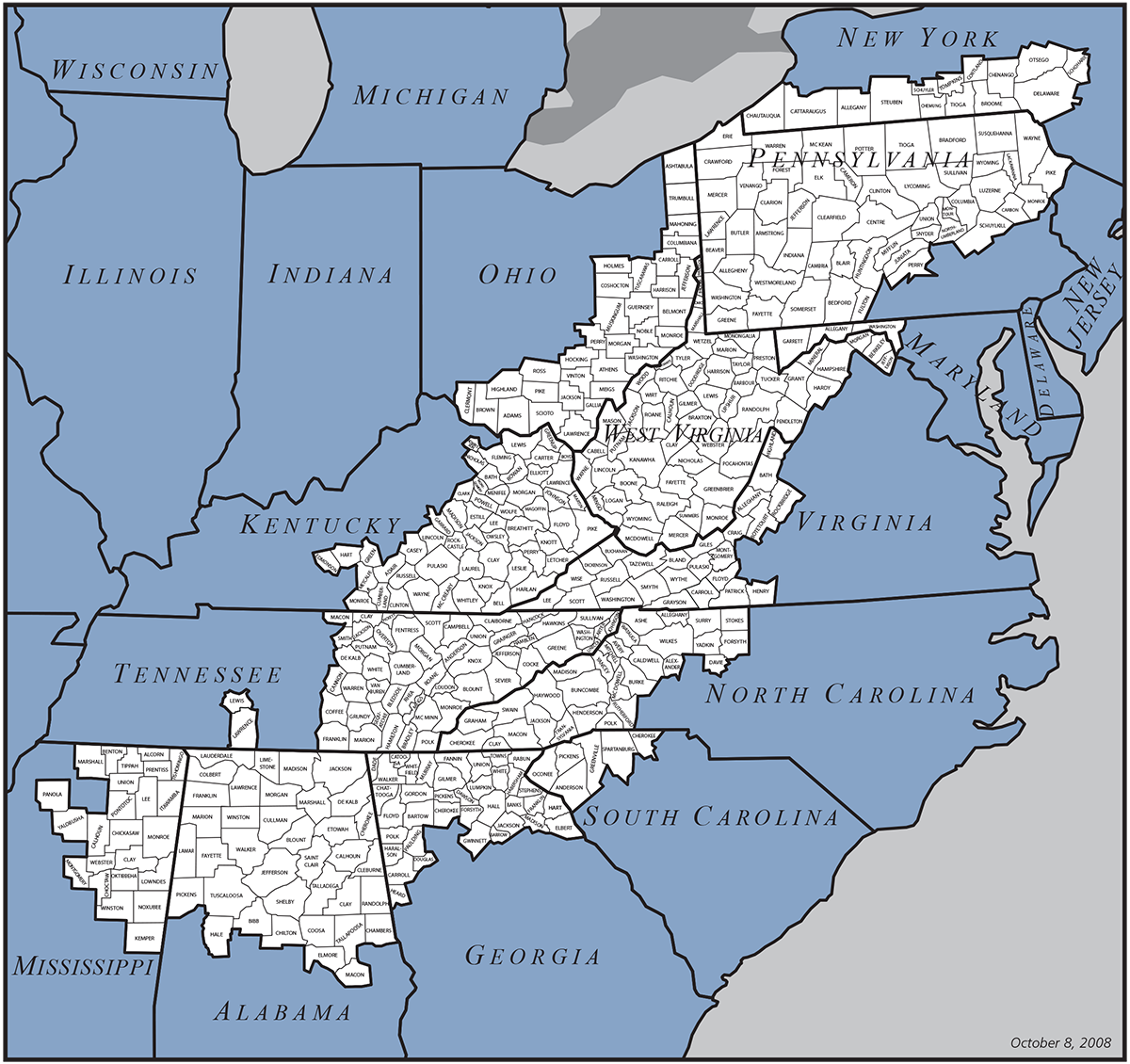
    Appalachian Mountain Range Map

    An effective ERP solution is crucial for manufacturing operations, as it not only streamlines processes but also enhances productivity and operational efficiency. When considering an ERP system, manufacturers should focus on features that address their specific challenges, including inventory management, production planning, and quality control. This guide highlights essential features that an ERP solution should offer, along with examples of how these features can solve common manufacturing issues.

    Essential Features for Manufacturing ERP Solutions

    To ensure that an ERP solution meets the unique needs of the manufacturing sector, several key features should be prioritized. Each feature plays a significant role in overcoming industry challenges and improving overall performance.

    • Inventory Management: This feature helps manufacturers track stock levels, manage reorder points, and optimize inventory turnover. For instance, real-time inventory tracking prevents excess stock and reduces holding costs, addressing the common issue of overproduction.
    • Production Planning: An effective production planning tool allows manufacturers to schedule jobs efficiently, allocate resources effectively, and anticipate delays. For example, utilizing Gantt charts can help visualize production schedules, ensuring that deadlines are met and resources are not underutilized.
    • Quality Control: Quality management features enable manufacturers to monitor product quality throughout the production process. Automated quality checks can catch defects early, reducing waste and rework costs. For instance, implementing statistical process control techniques can enhance product consistency, mitigating the risk of customer complaints.
    • Supply Chain Management: A robust ERP should provide tools for managing supplier relationships and logistics. This feature can help manufacturers streamline procurement processes and negotiate better terms with suppliers, ultimately leading to lower material costs and improved delivery times.
    • Reporting and Analytics: Integrated reporting tools allow manufacturers to analyze data across various functions, leading to informed decision-making. For example, using dashboards can provide insights into production efficiency, helping identify bottlenecks and areas for improvement.

    Comparison of Different ERP Solutions for Manufacturing

    Choosing the right ERP solution requires careful consideration of the features offered by different vendors. Below is a comparison table showcasing various ERP solutions and their key features tailored for manufacturing operations.

    ERP Solution Inventory Management Production Planning Quality Control Supply Chain Management Reporting and Analytics
    Oracle NetSuite Yes Yes Yes Yes Yes
    SAP S/4HANA Yes Yes Yes Yes Yes
    Microsoft Dynamics 365 Yes Yes Yes Yes Yes
    Infor CloudSuite Industrial Yes Yes Yes Yes No
    Epicor ERP Yes Yes Yes No Yes

    The features highlighted in this comparison serve to illustrate the strengths of each ERP solution, aiding manufacturers in making informed decisions based on their operational needs and challenges.

    Top ERP Software Options for Manufacturing Businesses

    Appalachian Mountains Map | USA Map, Mountains, Appalachian Mountains ...

    In the rapidly evolving landscape of manufacturing, choosing the right ERP software can significantly enhance operational efficiency, streamline processes, and improve overall productivity. The right ERP solution not only integrates various functions but also enables manufacturers to respond swiftly to market changes and customer demands. Below are some of the leading ERP software options specifically tailored for manufacturing businesses, along with their strengths and weaknesses.

    Leading ERP Software for Manufacturing

    Several ERP systems have emerged as top contenders in the manufacturing sector, each offering unique features that cater to different business needs. Below are the details of these ERP options:

    SAP S/4HANA

    Strengths

    Comprehensive module offerings, strong analytics, real-time data processing capabilities.

    Weaknesses

    High implementation costs, steep learning curve for new users.

    User Reviews

    “SAP S/4HANA has transformed our data reporting processes, allowing us to make decisions faster.”

    • “The integration capabilities are unmatched, but the complexity can be daunting for new users.”
    • Oracle NetSuite

    Strengths

    Cloud-based solution, scalability, robust financial management features.

    Weaknesses

    Customization can be expensive, navigation may be unintuitive for some users.

    User Reviews

    “NetSuite has streamlined our financial operations, but the initial setup was a bit tedious.”

    • “The cloud access is a game-changer for our multi-site operations.”
    • Microsoft Dynamics 365

    Strengths

    Integration with other Microsoft products, user-friendly interface, flexible deployment options.

    Weaknesses

    May lack in-depth manufacturing-specific features compared to specialized solutions.

    User Reviews

    “Dynamics 365’s integration with Office 365 is seamless, making collaboration easy.”

    • “While it’s user-friendly, we wish it had more advanced manufacturing modules.”
    • Infor CloudSuite Industrial (SyteLine)

    Strengths

    Industry-specific functionality, strong scheduling capabilities, user-friendly dashboards.

    Weaknesses

    Limited third-party integrations, can be overwhelming for smaller manufacturers.

    User Reviews

    “The scheduling tools have improved our production timelines significantly.”

    • “It’s powerful, but the learning curve can be steep for new users.”
    • Epicor ERP

    Strengths

    Flexible and customizable, designed specifically for manufacturing, good customer support.

    Weaknesses

    Some users report it can be slow, particularly with larger data sets.

    User Reviews

    “Epicor’s customization has allowed us to tailor the ERP to our specific needs.”

    “While it offers a lot, I’ve experienced lag during peak usage times.”

    Understanding the strengths and weaknesses of these ERP solutions is crucial for manufacturing businesses looking to enhance their operations. Choosing an ERP system should align with the specific needs and challenges of the organization, ensuring that it supports growth and efficiency in a competitive market.

    The Implementation Process of ERP Solutions in Manufacturing

    Implementing an ERP system in a manufacturing environment is a strategic move that can significantly enhance operational efficiency and data management. The execution of this technological shift involves several key steps that require meticulous planning and collaboration among various stakeholders within the organization.The implementation of an ERP system typically follows a structured process designed to ensure smooth integration into existing operations.

    It’s crucial to recognize that challenges may arise at any stage, but with proactive strategies, these can be effectively managed.

    Steps Involved in ERP Implementation

    The successful implementation of an ERP system can be broken down into several critical phases. Each phase builds upon the previous one, ensuring that the process is comprehensive and thorough.

    1. Needs Assessment: Evaluate current processes and identify specific needs that the ERP system should address.
    2. Project Planning: Develop a detailed project plan that Artikels timelines, resources, and responsibilities.
    3. Vendor Selection: Research and select an ERP vendor that aligns with the company’s needs and budget.
    4. System Configuration: Customize the ERP software to fit the unique requirements of the manufacturing operations.
    5. Data Migration: Transfer existing data into the new ERP system, ensuring data integrity and accuracy.
    6. Testing: Conduct rigorous testing to identify and rectify any issues before going live.
    7. Training: Provide comprehensive training for users to ensure familiarity with the new system.
    8. Go-Live: Officially launch the ERP system and monitor its performance closely.
    9. Post-Implementation Support: Offer ongoing support and updates to address any emerging challenges or improvements.

    Challenges and Solutions during Implementation

    Implementing an ERP system can present various challenges that may affect the progress of the project. Addressing these challenges promptly is essential for a successful implementation.

    “Common challenges during ERP implementation include resistance to change, project scope creep, and data migration issues.”

    Potential challenges include:

    • Resistance to Change: Employees may be hesitant to adapt to new systems. Overcome this by involving them early in the process and providing adequate training.
    • Scope Creep: Project goals may expand beyond initial plans, causing delays. Maintain clear documentation and regular communication to manage expectations.
    • Data Migration Issues: Transferring data can lead to inaccuracies or loss. Conduct thorough checks and validations to ensure data integrity.
    • Budget Overruns: The cost of implementation can exceed estimates. Set a realistic budget and monitor expenses closely to prevent overspending.

    Timeline Example for ERP Implementation

    A typical ERP implementation timeline can vary based on the size and complexity of the manufacturing firm. Below is an example timeline outlining the phases of ERP system implementation:

    Phase Duration
    Needs Assessment 1-2 Months
    Project Planning 1 Month
    Vendor Selection 1-2 Months
    System Configuration 2-3 Months
    Data Migration 1 Month
    Testing 1 Month
    Training 1 Month
    Go-Live 1 Month
    Post-Implementation Support Ongoing

    Customization and Scalability of ERP Solutions for Growing Manufacturers

    Northern Appalachian Mountains Map

    As manufacturing businesses evolve, the demand for adaptable systems becomes increasingly important. Customization and scalability in ERP solutions are essential for manufacturers who want to tailor their operations to meet unique needs, especially as they expand. In this section, we will explore how these factors can significantly enhance operational efficiency and support growth trajectories in the manufacturing sector.Customization is pivotal in creating an ERP solution that aligns with the specific requirements of a manufacturing business.

    Every manufacturer has distinct processes, workflows, and compliance needs that standard software may not fully address. This personalization can range from modifying software interfaces to integrating specific tools that aid in production tracking, inventory management, and quality control. By tailoring an ERP solution, manufacturers can optimize their operations for better efficiency and accuracy.

    Importance of Scalability in ERP Solutions

    Scalability is crucial for manufacturers who anticipate growth and the need to adapt to changing market demands. A scalable ERP system allows businesses to expand their operations without the need for a complete system overhaul. This flexibility supports various growth strategies, such as entering new markets, increasing production capacity, or adding new product lines. A robust ERP solution will facilitate seamless integration of additional functionalities as the business grows.Consider the case of a medium-sized manufacturer that initially implemented an ERP solution designed for small businesses.

    As they began to scale operations, they faced limitations that hindered productivity and efficiency. By switching to a more scalable ERP system that could handle increased transaction volumes and complex supply chain demands, they were able to double their output without sacrificing quality.Another notable example is a global automotive parts supplier that customized their ERP solution to incorporate advanced analytics and real-time reporting capabilities.

    This customization allowed them to streamline operations, monitor production in real-time, and respond swiftly to market changes. With this scalable ERP system in place, they successfully expanded into international markets while maintaining control over their production processes.In summary, the importance of customization in ERP solutions cannot be overstated for manufacturers aiming to meet their unique operational challenges. Scalability further empowers these businesses to grow and adapt in an ever-evolving landscape, ensuring they remain competitive and responsive to market demands.

    Cost Considerations of Implementing ERP Solutions in Manufacturing

    Mountains in Maine Map: Appalachian Mountains Guide

    Implementing an ERP solution in manufacturing is a significant investment that requires careful financial planning. Understanding the various cost factors involved can help organizations make informed decisions and maximize their return on investment (ROI). Several elements contribute to the total cost of ownership (TCO) of an ERP system, including software acquisition, training, maintenance, and additional operational costs.The costs associated with ERP implementation can be broadly categorized into different areas.

    Each of these areas plays an essential role in determining the overall financial commitment required for a successful ERP rollout. Organizations must evaluate these costs to create a comprehensive budget and avoid any unexpected expenses during the implementation process.

    Breakdown of Costs Involved in ERP Implementation

    A detailed breakdown of the various costs associated with ERP solutions for manufacturing includes several key components. It is critical to understand how each element contributes to the total cost.

    • Software Licensing Costs: This includes the fees for purchasing the ERP software, which can vary significantly depending on the vendor and the features included. On-premises solutions typically have a higher upfront cost compared to cloud-based solutions.
    • Customization Costs: Many organizations require customized features to meet their unique operational needs. Custom development can lead to additional costs that should be factored into the budget.
    • Training Costs: Proper training is vital for ensuring employees can effectively use the new system. This may involve costs for training sessions, materials, and potential downtime as staff acclimate to the new software.
    • Maintenance and Support Costs: Ongoing support from the vendor, as well as maintenance of the software, can add to the annual expenditure. This includes updates, patches, and customer service.
    • Infrastructure Costs: For on-premises implementations, organizations need to consider costs associated with hardware, networks, and other infrastructure upgrades.
    • Change Management Costs: Implementing an ERP system often requires changes in processes and workflows. Costs related to managing these changes, including potential consultancy fees, should also be included in the budget.

    A comprehensive understanding of these cost factors can help manufacturers assess whether an ERP solution aligns with their financial strategy and operational goals.

    Total Cost of Ownership Comparison

    To illustrate the financial implications of different ERP solutions, a comparison table of the total cost of ownership can be beneficial. Below is an overview of estimated costs for three popular ERP solutions tailored for manufacturing, showcasing variations in pricing structures and associated costs.

    ERP Solution Initial Software Cost Annual Maintenance Cost Training Cost Customization Cost Estimated TCO (5 years)
    ERP Solution A $100,000 $20,000 $15,000 $30,000 $300,000
    ERP Solution B $80,000 $15,000 $10,000 $20,000 $215,000
    ERP Solution C $120,000 $25,000 $20,000 $40,000 $450,000

    This table provides a clear view of the cost landscape for different ERP solutions, allowing manufacturers to make strategic decisions based on their budget and operational needs. By carefully analyzing the total cost of ownership, organizations can better navigate the complexities of ERP implementation and ensure a successful investment.

    The Future of ERP Solutions in the Manufacturing Sector

    As manufacturers navigate the rapidly evolving landscape of technology, the future of Enterprise Resource Planning (ERP) solutions is becoming increasingly intertwined with advancements in artificial intelligence (AI) and the Internet of Things (IoT). These technologies are redefining how manufacturers operate, offering opportunities for increased efficiency, better decision-making, and enhanced integration across various operations. As we examine the emerging trends in ERP technology, it’s essential to understand both their potential and the challenges that may arise.

    Emerging Trends in ERP Technology

    The manufacturing sector is witnessing a significant shift with the adoption of next-generation ERP solutions. These systems are increasingly cloud-based, allowing for greater flexibility and scalability. Manufacturers are embracing these platforms for their ability to seamlessly integrate with existing technologies, boosting collaboration and data accessibility. Key trends shaping ERP technology include:

    • Cloud Computing: The transition to cloud-based ERP systems facilitates real-time data updates and remote accessibility, enabling manufacturers to operate efficiently from anywhere.
    • Integration with AI: AI-driven analytics are becoming a cornerstone of ERP solutions, providing predictive insights that guide inventory management, production scheduling, and quality control.
    • IoT Integration: The connection of IoT devices to ERP systems enhances data collection and monitoring, allowing manufacturers to optimize equipment performance and streamline supply chain operations.

    These trends highlight the increasing importance of adaptability and real-time data in manufacturing processes.

    Influence of AI and IoT on ERP Solutions

    The integration of AI and IoT technologies into ERP solutions offers manufacturers unprecedented advantages. AI facilitates improved data analysis, enabling predictive maintenance and smarter decision-making. IoT devices collect granular data from machinery and equipment, feeding this information back into ERP systems for real-time processing. The implications of this integration are profound:

    • Enhanced Predictive Maintenance: Manufacturers can anticipate equipment failures before they occur, reducing downtime and maintenance costs.
    • Improved Supply Chain Efficiency: IoT-enabled tracking allows for better oversight of inventory levels and shipment statuses, optimizing logistics and reducing delays.
    • Data-Driven Decision Making: AI capabilities in ERP systems empower manufacturers to make informed decisions based on extensive data analysis, leading to more strategic operations.

    This synergy between AI, IoT, and ERP systems is paving the way for smarter, more responsive manufacturing environments.

    Challenges in Adopting Evolving ERP Technology

    Despite the promising advancements in ERP technology, manufacturers face several challenges as they adapt to these changes. One major concern is the complexity of integrating new systems with legacy applications. As these technologies evolve, the need for interoperability becomes critical. Additional challenges include:

    • Data Security Concerns: With increased connectivity comes heightened risk of cybersecurity threats, necessitating robust security measures to protect sensitive data.
    • Change Management Issues: Transitioning to new ERP systems often requires cultural shifts within organizations, which can encounter resistance from employees accustomed to previous workflows.
    • Cost of Implementation: The initial investment for advanced ERP solutions can be substantial, posing a barrier for some manufacturers, especially smaller enterprises.

    Addressing these challenges will be vital for manufacturers looking to leverage the full potential of future ERP solutions.